Eco Briquettes from Natural Materials Turning Waste into Fuel
In a world increasingly conscious of environmental sustainability, eco briquettes are emerging as a smart and eco‑friendly energy solution made from natural materials. These briquettes are not only a cleaner alternative to traditional fuels but also a practical method of managing agricultural and organic waste.
By transforming waste into usable fuel, they offer a sustainable option for households, industries, and communities seeking greener energy choices. For a detailed look into production methods and real-world examples, you can explore this resource on natural material briquette production by Jacoid: jacoid.com/id/natural-material-briquette-production.
What Are Eco Briquettes
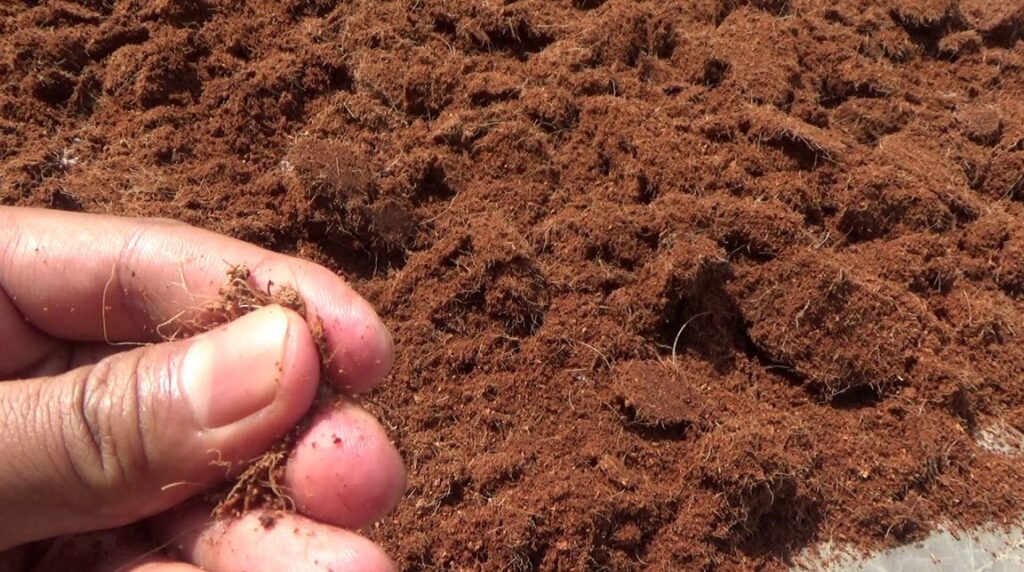
Eco briquettes are compact fuel blocks made by compressing organic waste like rice husks, coconut shells, sawdust, and dried leaves. These materials, often discarded or burned openly, cause pollution. The process involves drying, crushing, and pressing the waste into dense blocks that burn longer and more efficiently than wood or charcoal.
Why Choose Eco Briquettes
The key benefit of eco briquettes from natural materials lies in their sustainability. Unlike fossil fuels, they are renewable and biodegradable. Here are several reasons why eco briquettes are gaining popularity:
-
Reduces Deforestation
Using eco briquettes instead of firewood helps protect forest resources and lowers the release of carbon into the atmosphere.
-
Waste Management
They offer a practical solution to disposing of agricultural waste.
-
Low Emissions
They burn cleaner, producing less smoke and ash, improving indoor air quality.
-
Affordable
Eco briquettes are often cheaper than charcoal or LPG, making them accessible to low-income households.
-
Local Economic Development
The production and sale of briquettes create jobs, especially in rural communities.
How Are They Used
Eco briquettes can be used in traditional cookstoves, improved biomass stoves, and industrial boilers. They are ideal for:
- Cooking in homes and small eateries
- Heating in colder climates
- Fueling small-scale food processing industries
Because they are uniform in shape and density, eco briquettes offer predictable burn times and heat levels, making them more efficient than loose biomass.
Challenges and Considerations
Despite their advantages, the adoption of eco briquettes from natural materials still faces a few hurdles:
-
Limited Awareness: Many people are unaware of their benefits and how to use them effectively.
-
Initial Equipment Costs: Briquetting machines and drying systems can be expensive for small entrepreneurs.
-
Cultural Preferences: In some areas, traditional cooking methods are deeply rooted, making behavior change difficult.
However, these challenges can be addressed through education, government incentives, and support from NGOs or local cooperatives.
A Step Toward a Greener Future
Eco briquettes from natural materials represent a practical innovation that aligns with global sustainability goals. They turn everyday waste into a valuable energy resource, reduce dependence on non-renewable fuels, and contribute to healthier, more self-reliant communities.
As more people become aware of the environmental and economic advantages of using eco briquettes, their potential for widespread adoption increases. With proper support, this small but powerful solution can make a big difference—one briquette at a time.
Conclusion
Eco briquettes offer a sustainable way to reduce waste and meet energy needs by turning agricultural residues into efficient fuel. They help reduce deforestation, cut carbon emissions, and improve air quality, especially in areas relying on firewood or charcoal. Besides environmental benefits, they create jobs and support local economies. With more awareness, government backing, and technology access, eco briquettes could play a major role in the shift to clean, renewable energy. For more info, visit jacoid.com.