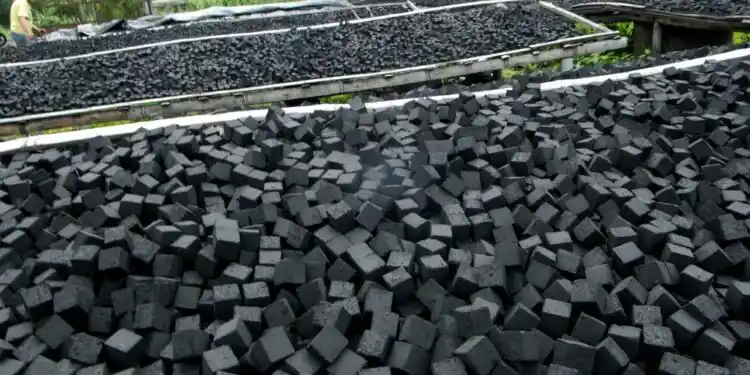
Coconut Shell Briquette Production Process for Export Quality
Understanding the coconut shell briquette production process for export quality is important for manufacturers and exporters aiming to meet international standards. For a clearer overview of each production stage, you can refer to the main article, Coconut Shell Briquette Production Process, which explains the workflow and technical considerations. Additional insights about technology trends, digital development, and industrial resources are also available on the homepage of technourbe.com, offering useful references for businesses involved in production and innovation.
Coconut shell briquettes have become a high-demand export product due to their clean combustion, stable heat, and eco-friendly raw materials. International buyers expect consistent quality, reliable performance, and proper packaging. To achieve this, producers must follow a structured and well-controlled production process.
Raw Material Selection
The production process begins with selecting high-quality coconut shells. Clean, dry shells produce better charcoal and reduce impurities during carbonization. Consistent raw materials help maintain stable product performance and support export quality standards.
Carbonization Process
Carbonization converts coconut shells into charcoal through controlled heating in limited oxygen conditions. This stage determines fixed carbon levels, ash content, and overall briquette quality. Proper temperature control ensures the charcoal burns efficiently and produces minimal smoke.
Crushing and Grinding
After carbonization, the charcoal is crushed and ground into fine particles. Uniform particle size improves the briquette structure and supports consistent density. This step also prepares the material for mixing and molding.
Mixing and Binding
Producers mix the charcoal powder with natural binders such as starch to form a cohesive material. The mixture must reach the right balance between strength and combustion performance. Proper mixing helps briquettes maintain shape while ensuring efficient burning.
Molding and Pressing
The mixture is pressed into specific shapes, such as cubes, hexagonal forms, or sticks. High-pressure molding increases density and improves burning duration. Uniform shapes also simplify packaging and export logistics.
Drying Process
Drying removes excess moisture from the briquettes and improves ignition stability. Export-quality briquettes must have low moisture levels to prevent smoke and maintain consistent heat. Controlled drying methods ensure product durability during storage and shipping.
Quality Control and Testing
Quality testing plays a crucial role in export preparation. Producers evaluate ash content, moisture level, burning time, and density. Consistent testing helps maintain product standards and builds trust with international buyers.
Packaging for Export
Packaging protects briquettes from moisture and damage during transportation. Exporters often use layered packaging, including inner plastic and strong cartons. Clear labeling and product information support logistics handling and import procedures.
Compliance and Documentation
Export-quality production also involves meeting international requirements and buyer specifications. Certificates, test reports, and shipping documents confirm product safety, consistency, and reliability. Proper and well-organized documentation helps ensure smooth customs clearance, efficient logistics handling, and timely delivery to global markets.
Conclusion
The coconut shell briquette production process for export quality involves careful raw material selection, carbonization, mixing, molding, drying, and quality control. Each stage contributes to consistent performance and international acceptance. By maintaining strict production standards and proper packaging, manufacturers can meet buyer expectations and strengthen their position in global markets.
