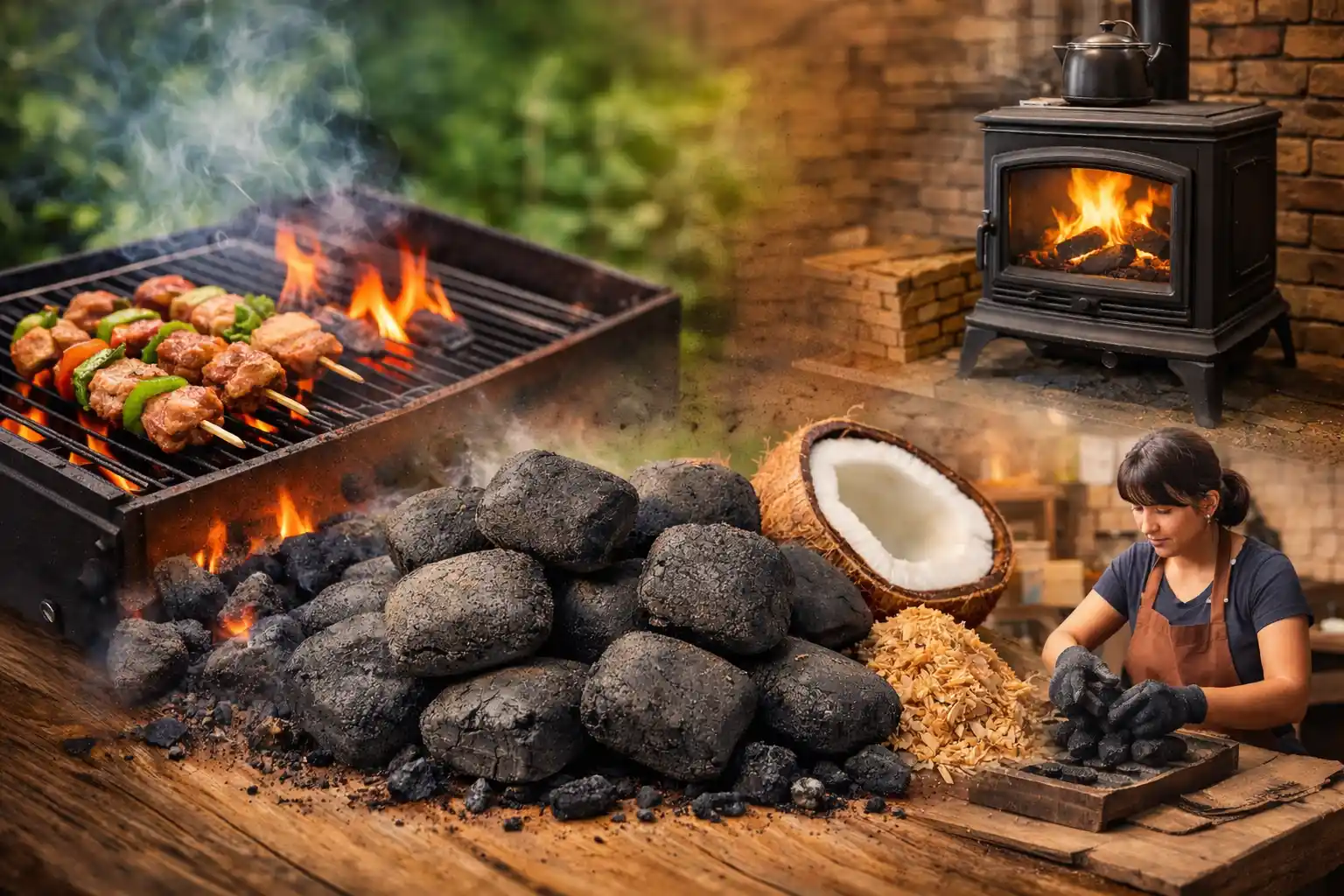
The Benefits and Functions of Charcoal Briquettes in Everyday Life
Understanding the benefits and functions of charcoal briquettes is an important step for anyone exploring alternative energy solutions. For this reason, readers who want a broader overview can explore the main article, advantages and disadvantages of briquettes as an alternative fuel, which explains the role of briquettes in modern energy use. In addition, Jacoid.com features in-depth discussions on renewable energy and biomass-based products, regularly covering topics related to sustainable resources and environmental innovation.
As energy demand continues to grow worldwide, charcoal briquettes have emerged as a practical and widely used alternative fuel. In response to declining fossil fuel availability, producers create charcoal briquettes from biomass waste such as coconut shells, sawdust, and agricultural residues. As a result, charcoal briquettes offer a balance between efficiency, availability, and environmental responsibility. Because of this versatility, they suit household, commercial, and small-scale industrial applications.
The Role of Charcoal Briquettes in Cooking

One of the primary functions of charcoal briquettes is their use as a cooking fuel. In everyday practice, people widely use charcoal briquettes in grills, stoves, ovens, and traditional cooking equipment. Due to their uniform shape and high density, they produce stable and even heat, which is essential for grilling and slow cooking. Consequently, this consistency improves cooking efficiency and enhances food flavor, making briquettes popular in both households and food businesses.
Charcoal Briquettes for Heating Purposes
Beyond cooking, charcoal briquettes also play an important role in space heating, especially in regions with cooler climates or limited access to modern energy infrastructure. Thanks to their long burning duration, briquettes keep rooms warm for extended periods without frequent refueling. However, users must ensure proper ventilation, as briquettes still produce combustion gases.
Benefits of Charcoal Briquettes as an Alternative Fuel
Another key benefit of charcoal briquettes is their fuel efficiency. When compared to traditional firewood, briquettes burn longer and generate more consistent heat. As a result, users can reduce overall fuel consumption. Moreover, their compact form makes storage and transportation easier, helping minimize losses during handling and distribution.
Environmental Benefits of Using Charcoal Briquettes
From an environmental perspective, charcoal briquettes reduce waste by utilizing biomass residues that would otherwise go to waste. For example, coconut shells and agricultural waste can be converted into valuable energy sources, supporting sustainable resource management. Compared to fossil fuels, briquettes generally produce lower emissions and help reduce dependence on non-renewable energy resources.
The Function of Charcoal Briquettes in Small-Scale Industries
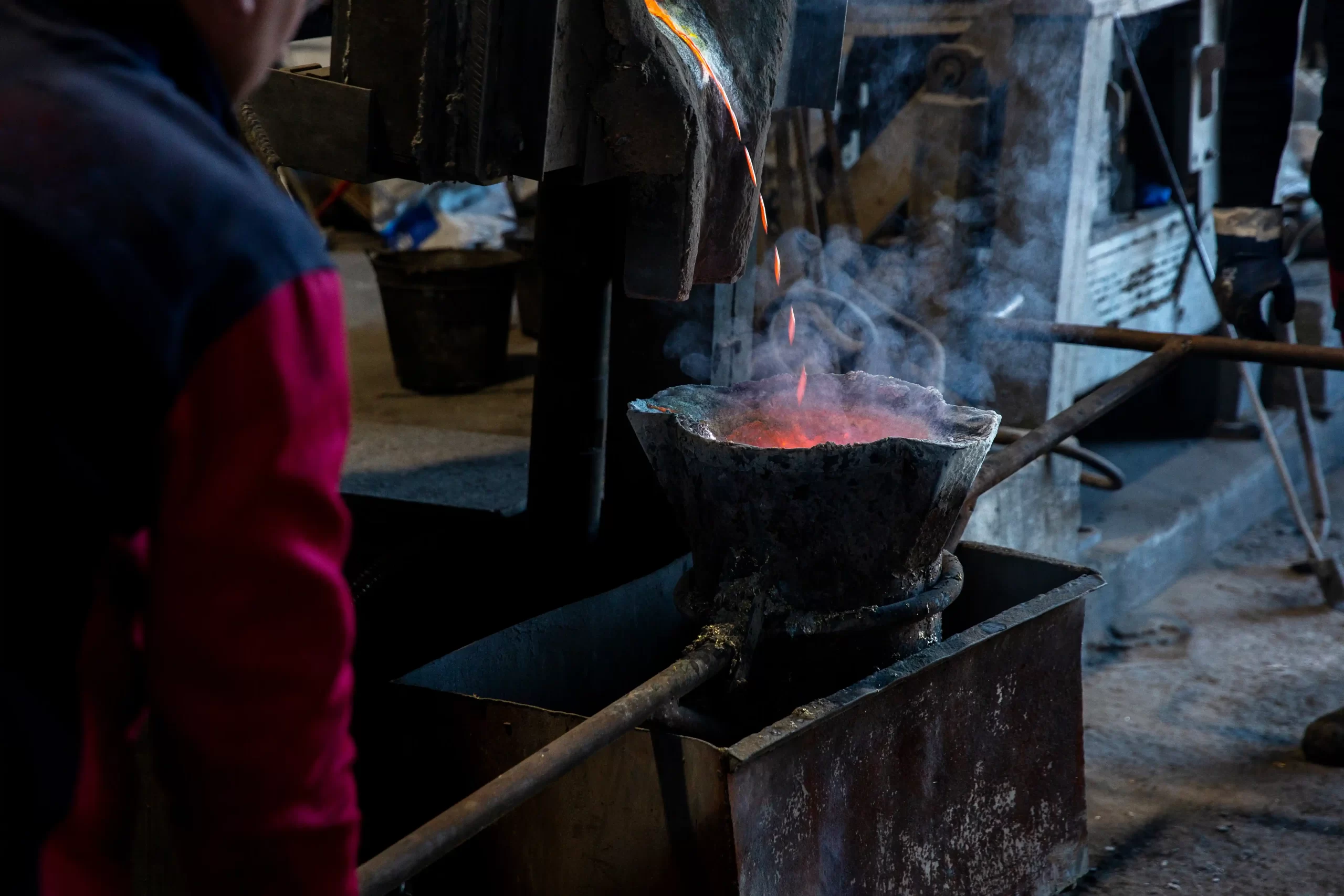
In addition to household use, charcoal briquettes are widely used in small and medium-sized enterprises, particularly in food processing and home-based industries. Because of their affordability and availability, briquettes attract businesses seeking reliable energy sources with manageable operating costs. Therefore, their use supports local economic development while promoting cleaner energy practices.
Conclusion
Overall, the benefits and functions of charcoal briquettes highlight their importance in everyday life. From cooking and heating to environmental sustainability and economic support, charcoal briquettes provide a practical alternative fuel solution. With proper usage and continued innovation, charcoal briquettes can play a meaningful role in supporting a more sustainable energy future.
