Do Charcoal Briquettes Bontain Chemicals
As a charcoal seller, I often receive questions from buyers who ask, Do Charcoal Briquettes Contain Chemicals?, because they worry about product safety before they place large orders. Restaurants, distributors, and shisha lounge owners want to know exactly what goes into charcoal briquettes. Many of them also ask general questions like what are charcoal briquettes used for, because understanding the purpose and composition helps them choose the right product. From my experience supplying different markets, the answer about chemicals depends on the type and quality of briquettes.
Do Charcoal Briquettes Contain Chemicals?
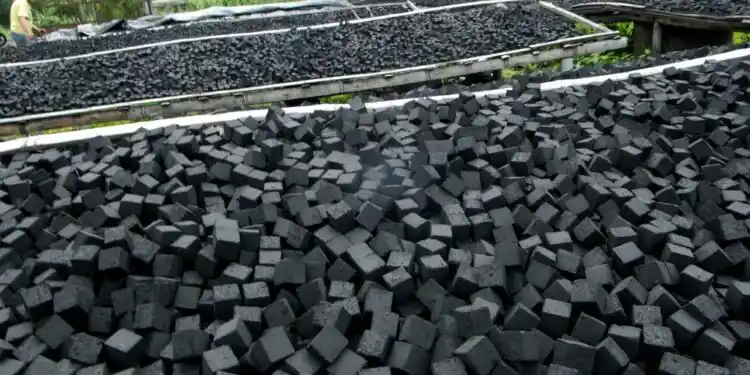
Some charcoal briquettes may contain chemical additives, but high-quality natural briquettes usually do not. Premium briquettes are made from carbonized natural materials such as coconut shells or hardwood charcoal, mixed with natural binders like starch.
However, low-cost briquettes in some markets may include chemical binders, ignition agents, or coal additives. These products can create smoke, odor, or unwanted taste during cooking.
The key point is that not all briquettes are produced with the same standards.
Understanding the Ingredients in Charcoal Briquettes
To understand whether briquettes contain chemicals, buyers should know the typical ingredients.
1. Natural Materials
Premium briquettes often use coconut shell charcoal, hardwood charcoal, or agricultural biomass. These materials burn cleanly and produce stable heat.
2. Natural Binders
Manufacturers commonly use food-grade starch as a binder. This holds the briquette shape without affecting taste or safety.
3. Water
Water helps mix and compress the charcoal powder before drying.
These ingredients are safe when processed correctly.
When Chemicals May Be Present
Certain briquettes may contain chemicals for specific reasons.
1. Quick-Light Briquettes
Some briquettes include ignition chemicals to help them light faster. These are convenient but may produce odor and smoke.
2. Coal-Based Briquettes
Some manufacturers mix coal powder with charcoal to reduce cost. These briquettes may release sulfur smell and create more ash.
3. Low-Quality Production
Poor manufacturing processes may introduce unwanted residues or impurities.
This is why professional buyers must check product specifications carefully.
Why Chemical-Free Briquettes Matter
For barbecue restaurants and shisha cafés, chemical-free briquettes are essential. Chemical additives can affect food taste, shisha flavor, and customer comfort. They can also create excessive smoke in indoor environments.
High-quality coconut shell briquettes provide clean burning, long heat duration, and minimal ash. These advantages protect business reputation and customer satisfaction.
How Buyers Can Verify Briquette Safety
From my experience, buyers should always check:
- Raw material origin
- Binder type
- Ash content
- Moisture level
- Lab test reports
Testing samples before bulk orders helps confirm performance and safety.
Reliable suppliers are transparent about their production process and ingredients.
My Advice as a Seller
From my experience, charcoal briquettes do not need chemicals to perform well. Premium natural briquettes made from coconut shells or hardwood charcoal offer better heat, cleaner burning, and safer use.
When buyers understand the ingredients and choose quality products, they protect their business reputation and ensure customer satisfaction. With proper sourcing and careful inspection, charcoal briquettes can become a reliable and safe fuel solution for restaurants, distributors, shisha lounges, and households worldwide. To learn more detailed insights and practical tips, resepmasakansehat.com click here to read the full guide.

sebagai penulis