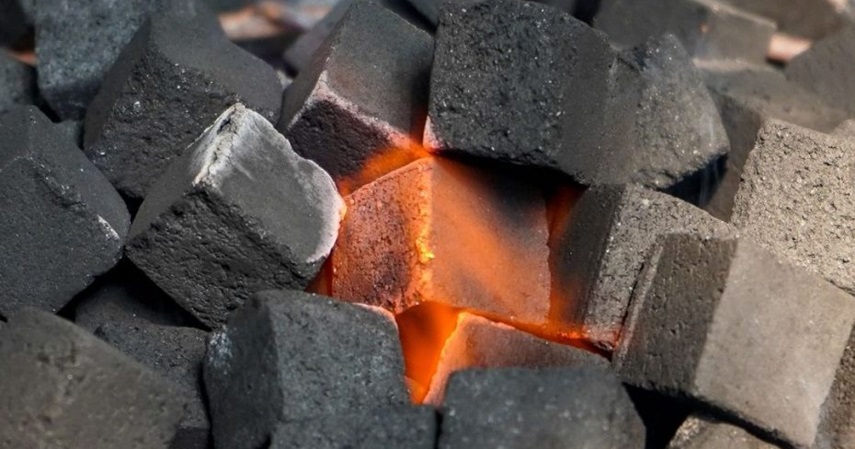
Export Briquettes from Indonesia Guide
Indonesia is one of the world’s largest producers of coconut shell charcoal briquettes. With abundant natural resources and increasing global demand, especially from the Middle East, Europe, and the United States, exporting briquettes from Indonesia has become a highly profitable business opportunity. However, to succeed in this industry, exporters need to understand the production standards, legal requirements, and international shipping procedures.
Understanding the Briquette Export Opportunity
The global demand for coconut briquettes continues to rise due to their clean burning properties, long-lasting heat, and eco-friendly characteristics. Unlike traditional charcoal, briquettes made from coconut shell charcoal briquette materials produce less smoke and ash, making them highly preferred for shisha, barbecue, and industrial heating.
Indonesia has a strong advantage because coconut shells are widely available and production costs are relatively low. This makes Indonesian briquettes competitive in the international market.
Requirements for Exporting Briquettes
To start exporting, there are several important requirements that must be fulfilled:
- Business Legality
Exporters must have a registered business entity such as CV or PT in Indonesia. - Export Identification Number (NIB)
This is mandatory for all exporters and is obtained through the OSS (Online Single Submission) system. - Customs Registration (API-E)
API-E (Angka Pengenal Importir-Eksportir) is required to legally export goods. - Product Quality Standards
Briquettes must meet international standards such as:- Low moisture content (below 8%)
- High carbon content
- Uniform shape and size
- Packaging and Labeling
Export packaging must be strong, moisture-resistant, and properly labeled according to destination country regulations.
Export Process Step by Step
The export process generally includes several stages:
- Production and quality control
- Buyer negotiation and agreement
- Issuance of proforma invoice
- Payment terms agreement (LC or TT)
- Packing and container loading
- Customs clearance in Indonesia
- International shipping
Each step must be handled carefully to avoid delays or export rejection.
Market and Buyer Targeting
The main markets for Indonesian briquettes include:
- Turkey
- United Arab Emirates
- Germany
- United Kingdom
- United States
Most buyers are importers, wholesalers, or hookah suppliers. Therefore, building strong relationships through platforms like Alibaba, global trade fairs, and direct marketing is essential.
Challenges in Briquette Export
Although profitable, the business also has challenges:
- Strict quality requirements from buyers
- Competition with other exporting countries like Vietnam
- Fluctuating shipping costs
- Documentation complexity
Proper planning and consistent product quality are key to overcoming these challenges.
Conclusion
Exporting briquettes from Indonesia is not only a profitable business but also a long-term opportunity that can scale into a global trading company if managed properly. The combination of Indonesia’s abundant coconut resources, competitive production costs, and increasing international demand makes this industry highly attractive for both beginners and experienced exporters.
However, success in this field does not come instantly. It requires consistency in maintaining product quality, understanding international market standards, and building trust with overseas buyers. Small mistakes in moisture level, packaging, or documentation can affect buyer confidence and even lead to order cancellations. Therefore, quality control and compliance should always be the top priority.
In addition, exporters should continuously improve their business strategy by learning market trends, expanding digital marketing channels, and strengthening relationships with international partners. Platforms like global B2B marketplaces, trade exhibitions, and direct buyer outreach can significantly increase export opportunities.
With proper preparation, strong business legality, and a clear understanding of export procedures, Indonesian briquette exporters can compete globally and build a sustainable export business. This industry is not just about selling products, but also about creating long-term partnerships and delivering consistent value to international markets.
For a deeper step-by-step explanation of the full export process, you can refer to this complete guide on How to Export Briquettes from Indonesia.
